
Edmonton Infill Housing Guide: Steps to Successful Infill Housing Plans

Infill housing is a smart way to make the most of existing urban spaces. It helps increase housing availability without expanding city boundaries. For those looking to invest or improve their property in Edmonton, understanding the steps to successful infill housing plans is essential. I will walk you through the process, sharing practical advice and clear steps to help you navigate this complex but rewarding path.
Understanding Edmonton Infill Housing Guide
Before diving into the planning process, it’s important to understand what infill housing means in Edmonton. Infill housing refers to developing new homes on vacant or underused land within established neighborhoods. This approach supports sustainable growth, reduces urban sprawl, and revitalizes communities.
Edmonton’s city policies encourage infill development but also set clear guidelines to maintain neighborhood character and ensure safety. Familiarizing yourself with these policies will save time and avoid costly mistakes.
Key Points to Know:
Infill projects often involve smaller lots and tighter spaces.
Zoning rules and building codes are strict to protect existing residents.
Community consultation is a vital part of the process.
Legal secondary suites can add value and functionality to your property.
Understanding these basics sets a strong foundation for your infill housing plans.
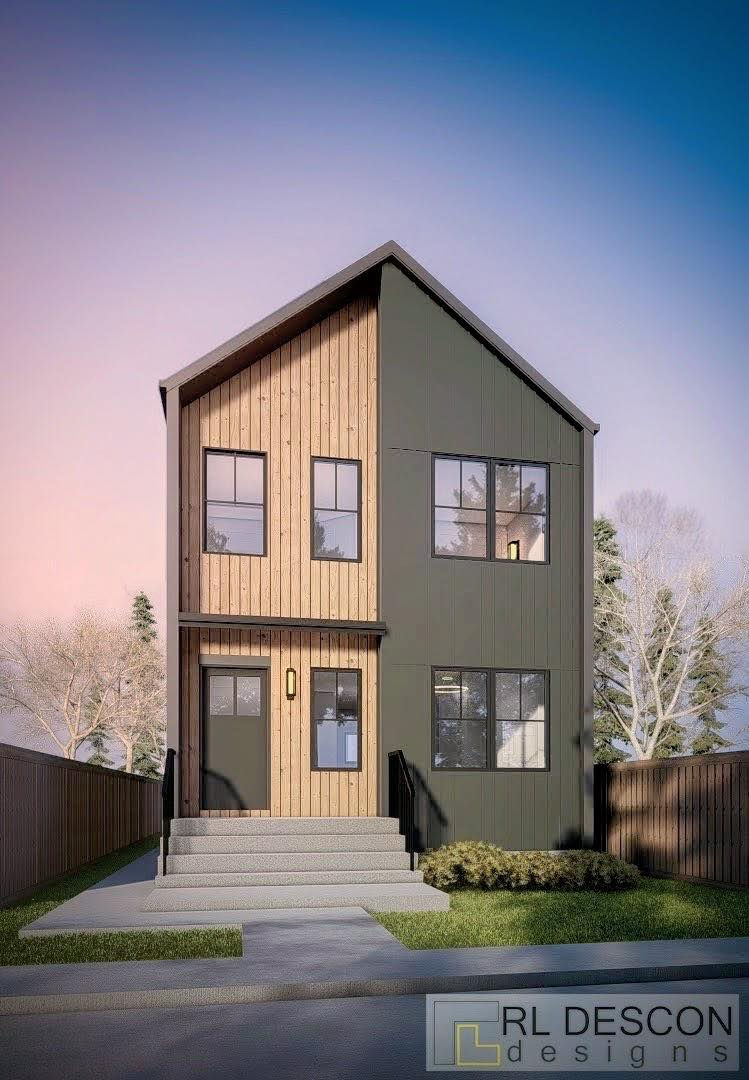
Step 1: Research and Site Assessment
The first step in any successful infill housing plan is thorough research and site assessment. This means looking closely at the property and its surroundings to understand what is possible and what challenges might arise.
What to Look For:
Zoning and Land Use: Check the zoning designation of your lot. Edmonton’s zoning bylaws dictate what types of buildings are allowed, their size, and placement.
Lot Size and Shape: Smaller or irregular lots may limit design options.
Existing Infrastructure: Consider access to roads, utilities, and public transit.
Neighborhood Character: Take note of the architectural style and density of nearby homes.
Environmental Factors: Look for any environmental restrictions or concerns, such as flood zones or protected trees.
This step often requires consulting city maps, zoning documents, and sometimes hiring a professional surveyor or planner. The goal is to gather all relevant information to make informed decisions.
Step 2: Develop a Clear Plan and Design
Once you have a solid understanding of your site, the next step is to develop a clear plan and design for your infill housing project. This is where your vision starts to take shape.
Tips for Effective Planning:
Set Your Goals: Are you building a single-family home, duplex, or adding a legal secondary suite? Define your objectives clearly.
Work with Professionals: Engage designers familiar with Edmonton’s infill requirements. They can help create plans that meet city standards and appeal to buyers or tenants.
Consider Functionality: Think about how the space will be used. For example, legal secondary suites can provide rental income and increase property value.
Plan for Parking and Access: Edmonton requires adequate parking and safe access to the property.
Sustainability: Incorporate energy-efficient designs and materials to reduce long-term costs and environmental impact.
A well-thought-out design reduces delays and increases the chances of approval by city planners.

Step 3: Navigate Permits and Approvals
Securing the necessary permits and approvals is often the most challenging part of infill housing projects. Edmonton has a detailed process to ensure developments comply with local regulations.
What You Need to Do:
Submit Detailed Plans: Provide the city with your architectural drawings, site plans, and any supporting documents.
Meet Zoning Requirements: Your project must align with zoning bylaws, including setbacks, height limits, and lot coverage.
Address Community Concerns: The city may require public consultation or notification to neighbors.
Obtain Building Permits: After zoning approval, apply for building permits to start construction.
Follow Secondary Suite Regulations: If adding a legal secondary suite, ensure it meets safety and building code standards.
Patience and attention to detail are key here. Working with experienced contractors and planners can help streamline this process.
Step 4: Construction and Project Management
With permits in hand, construction can begin. Managing this phase effectively is crucial to staying on budget and schedule.
Best Practices for Construction:
Hire Qualified Contractors: Choose professionals with experience in Edmonton infill housing projects.
Regular Communication: Stay in close contact with your contractor to monitor progress and address issues quickly.
Quality Control: Inspect work regularly to ensure it meets plans and standards.
Stay Compliant: Ensure all work follows building codes and safety regulations.
Prepare for Inspections: The city will conduct inspections at various stages of construction.
Good project management reduces stress and helps deliver a successful outcome.
Step 5: Final Inspection and Occupancy
The last step is obtaining final approval and occupancy permits. This confirms your infill housing project is safe and ready for use.
What to Expect:
Final City Inspection: Inspectors will verify that construction complies with all codes and permits.
Address Any Deficiencies: If issues are found, they must be corrected before occupancy.
Obtain Occupancy Permit: Once approved, you can legally occupy or rent out the property.
Consider Landscaping and Finishing Touches: These improve curb appeal and neighborhood integration.
Completing this step successfully means your infill housing plan has come to life.
Moving Forward with Confidence
Infill housing offers a valuable opportunity to enhance property value and contribute to Edmonton’s sustainable growth. By following these clear steps, you can navigate the complexities with confidence.
If you want to explore more about edmonton infill housing plans, take the time to review city resources and consult with experts. Proper planning, professional support, and attention to detail will make your project a success.
Taking on an infill housing project is a significant investment. But with the right approach, it can be a rewarding way to improve your property and community.


Comments